A cargo is never priced by flat price alone. Professional teams separate benchmark exposure, quality differential, freight, timing, credit and optionality before they call a trade attractive.
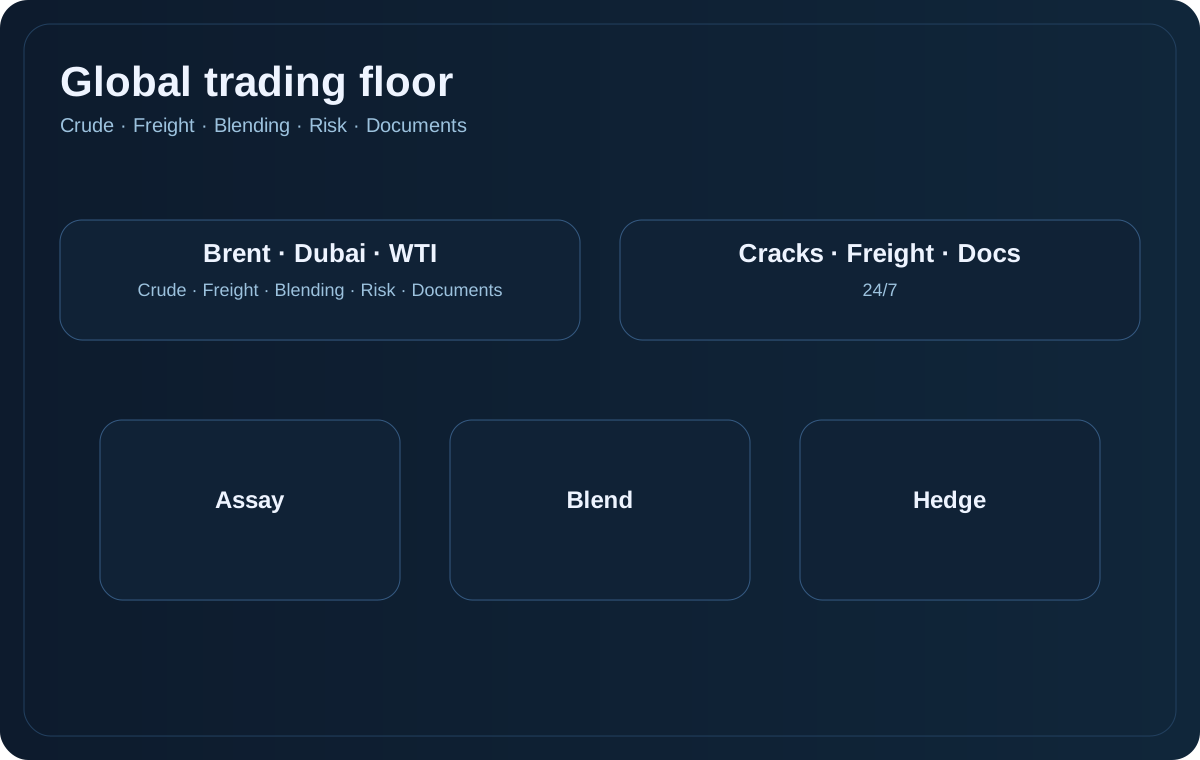
Crude · Freight · Blending · Risk · Documents
Experienced desks split a trade into flat price, grade differential, freight, storage, financing and documentary risk. That decomposition shows whether a cargo still works after assay fit, tank limits and timing are included.
Hedging starts with the physical exposure. Teams first map basis risk, crack exposure, volume uncertainty and timing mismatch, then decide whether futures, swaps or options really match the commercial reality.
Can the cargo be rerouted? Is the customer index the same as the supply index? Are freight and demurrage fixed or open? These questions often decide more margin than the headline flat price.
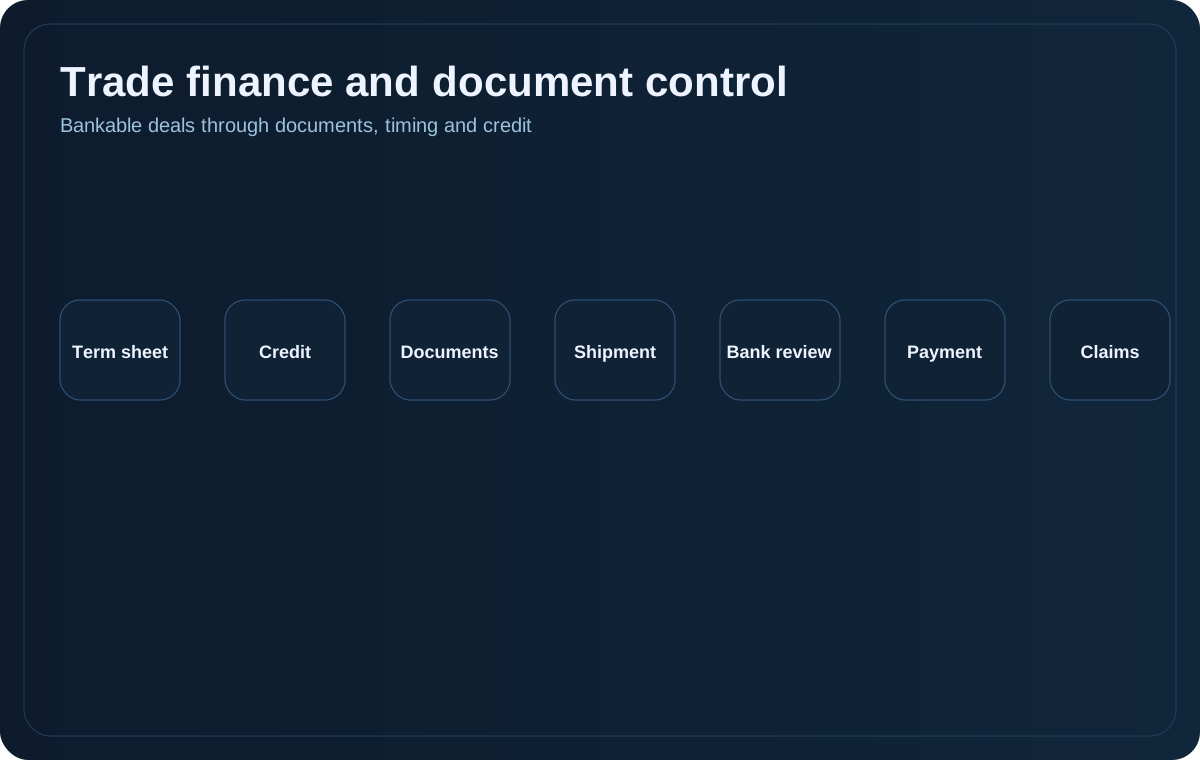
Bankable deals through documents, timing and credit
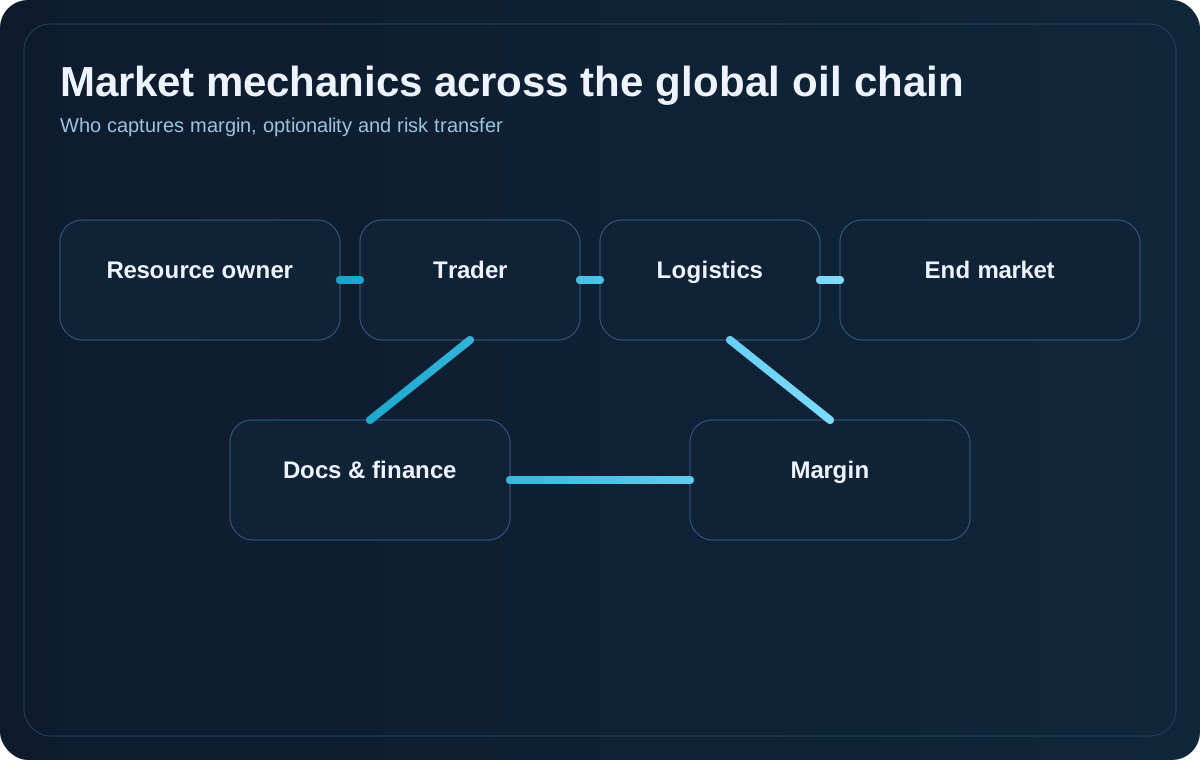
Who captures margin, optionality and risk transfer