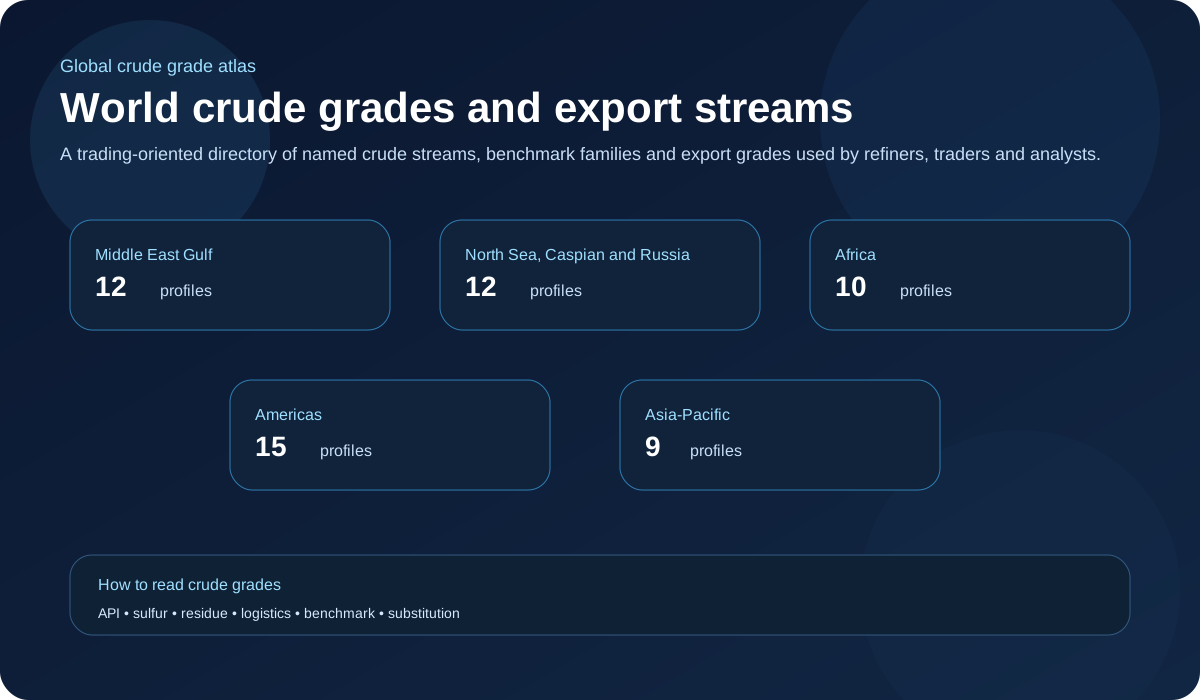
Expanded world crude atlas
Browse a much deeper directory of global crude grades, benchmark families and regional export streams.
From Arab Light and Murban to Dubai/Oman, CPC Blend, Urals and Doba Blend: professional readers need assay logic, not just names.
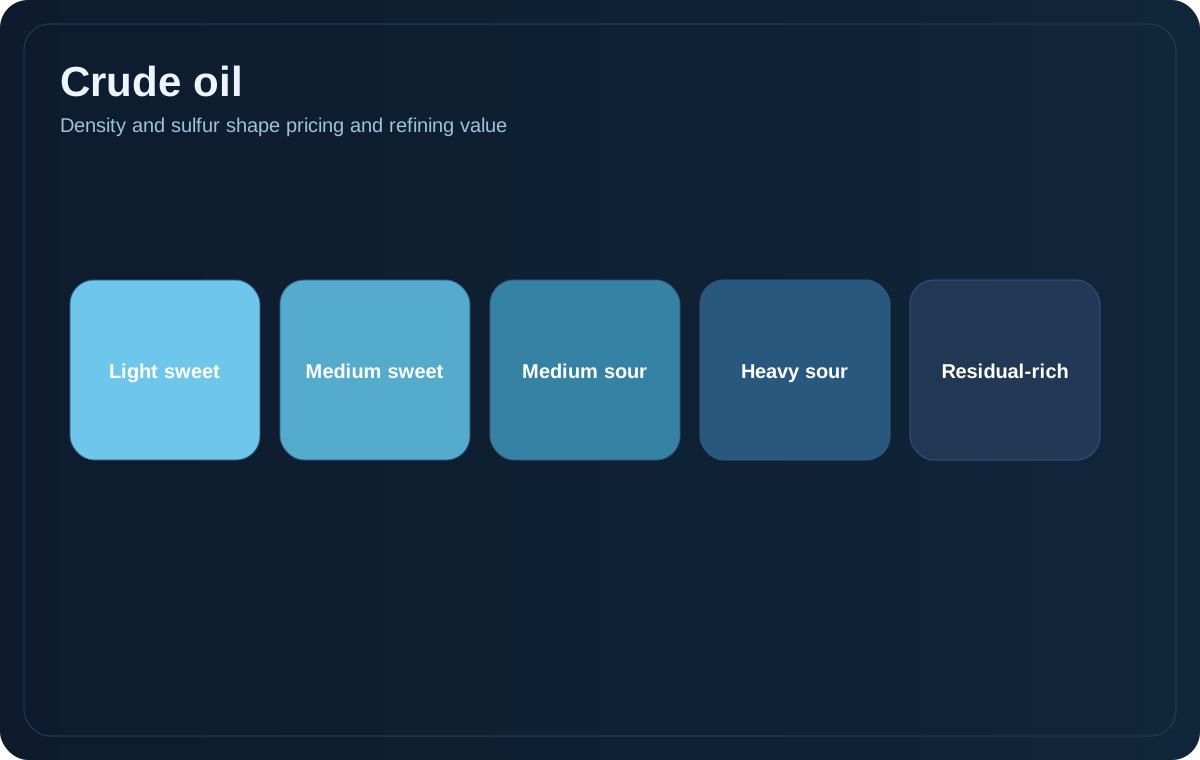
All visuals in this package are self-created SVG graphics suitable for commercial deployment without third-party image rights.
Structured overview, trade logic, typical specifications and delivery constraints.
Classic medium sour export crude with broad relevance for Asian and European refining systems.
Light Abu Dhabi crude linked to transparent market pricing and high straight-run value.
Benchmark family for Gulf-to-Asia pricing, term supply and physical signaling.
Chadian heavy sweet stream known for distinctive acidity and blending relevance.
This page links into deeper modules on margins, assay reading, freight structure, trade finance and supply-chain risk.
This page links into deeper modules on margins, assay reading, freight structure, trade finance and supply-chain risk.
This page links into deeper modules on margins, assay reading, freight structure, trade finance and supply-chain risk.
This page links into deeper modules on margins, assay reading, freight structure, trade finance and supply-chain risk.
This page links into deeper modules on margins, assay reading, freight structure, trade finance and supply-chain risk.
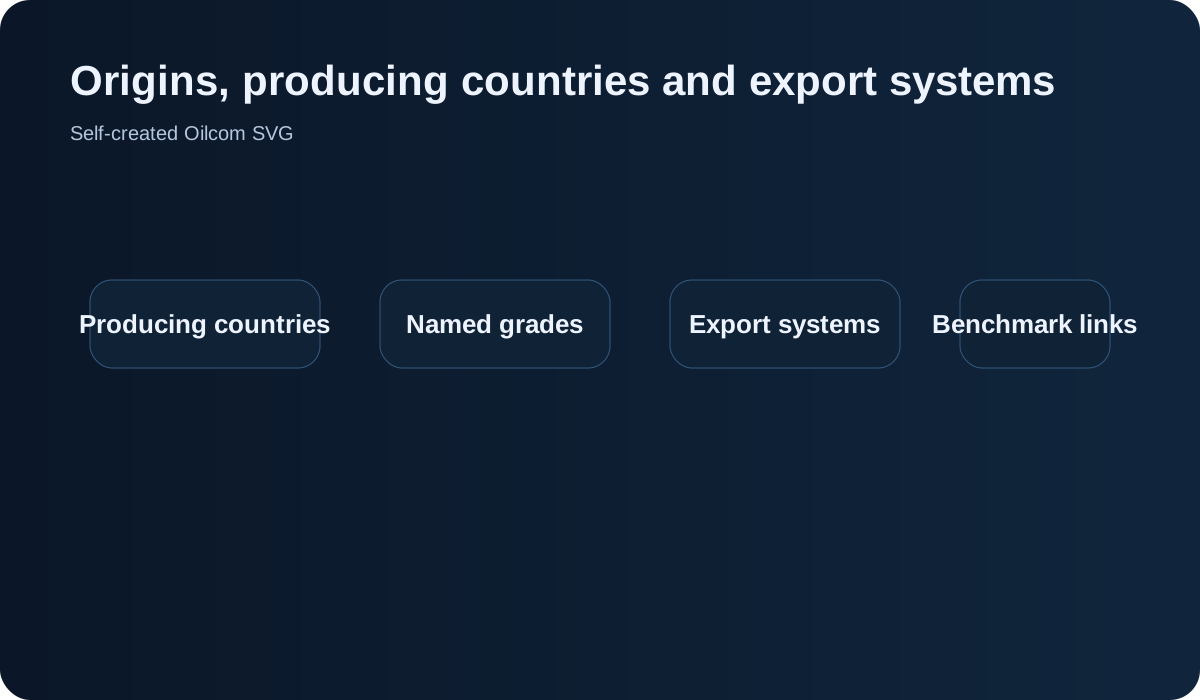
Track crude grades by origin country, export route and commercial relevance.
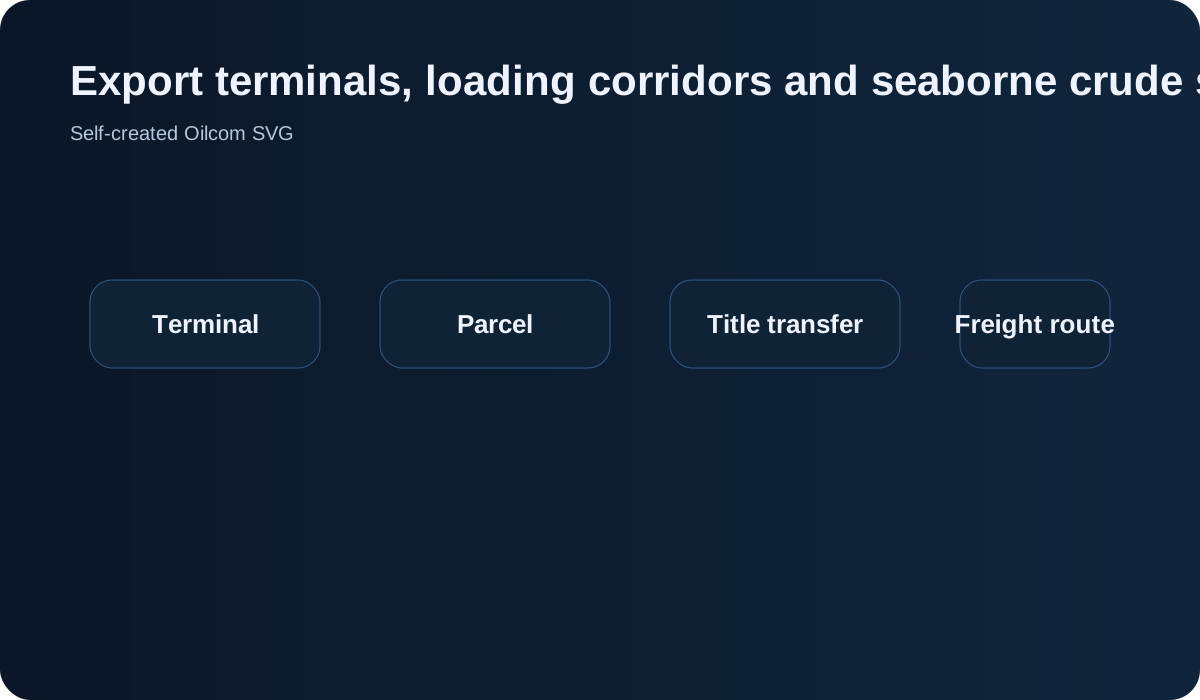
A crude grade is not only an assay. It is also a loading window, parcel size and freight position.
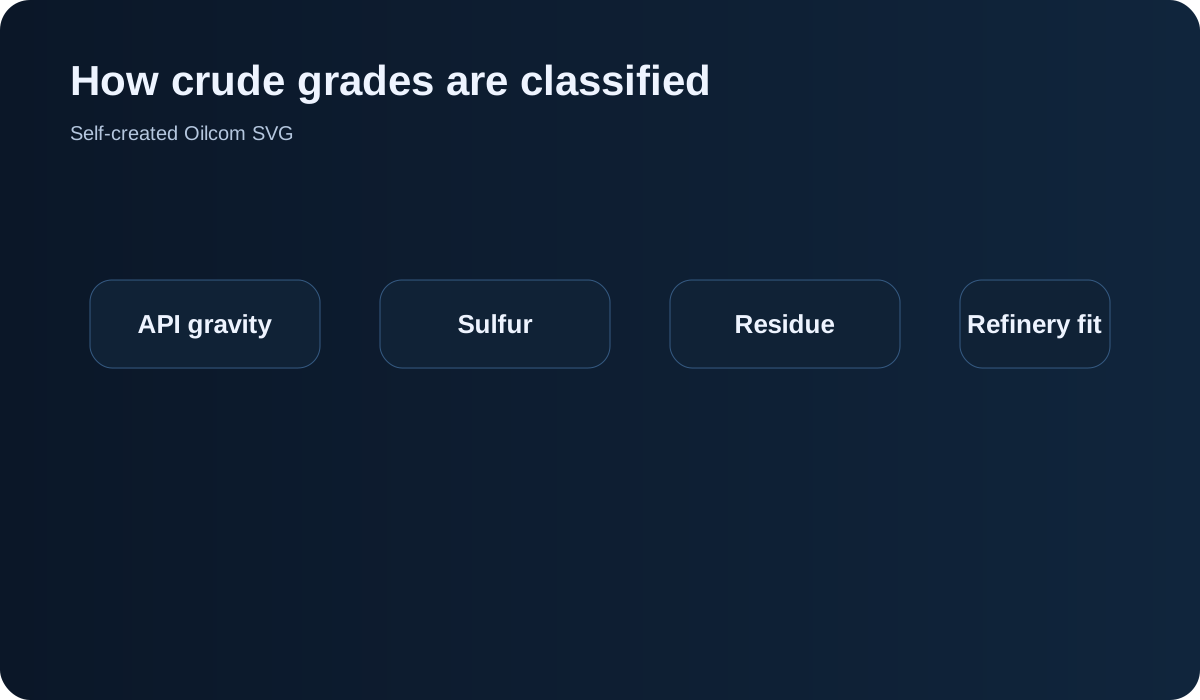
API gravity, sulfur, residue behaviour and refinery fit determine how traders and refiners read a named grade.
Deep, practical reading guides for crude quality, pricing, OSP logic and refinery fit—written for trading and refining professionals.
Deep, practical reading guides for crude quality, pricing, OSP logic and refinery fit—written for trading and refining professionals.
Deep, practical reading guides for crude quality, pricing, OSP logic and refinery fit—written for trading and refining professionals.
Deep, practical reading guides for crude quality, pricing, OSP logic and refinery fit—written for trading and refining professionals.
A visual atlas of where named crude streams come from, grouped by producing countries and export regions.
The real question is not whether two grades sound similar, but whether they remain substitutable after quality, freight and terminal constraints are added.
A cargo can look cheap on paper and still disappoint after freight, timing, demurrage and documentary friction are added.
SEO-focused specialist pages on pipelines, export hubs, benchmarks, tanker classes and refinery complexity.
How gathering lines, trunk pipelines, tariffs, linefill and terminal interfaces shape crude availability and market optionality.
A commercial guide to berth availability, draft constraints, storage turns, inspection timing and the role of export hubs in crude price discovery.
A practical guide to how Brent-, WTI-, Dubai/Oman- and cargo-linked pricing families interact across crude and product flows.
How Aframax, Suezmax, VLCC and smaller product-tanker categories change route economics, storage logic and crude placement.
Why API gravity, sulfur, residue upgrading, hydrogen balance and product cracks determine how a refinery values one grade versus another.