
Capacity and tariffs
Capacity is not just nameplate throughput; maintenance windows, drag reducers, batching discipline and terminal queues change real availability.
A specialist reading of gathering systems, trunk lines, tariff logic, quality commingling and the terminal hand-off between pipe and ship.
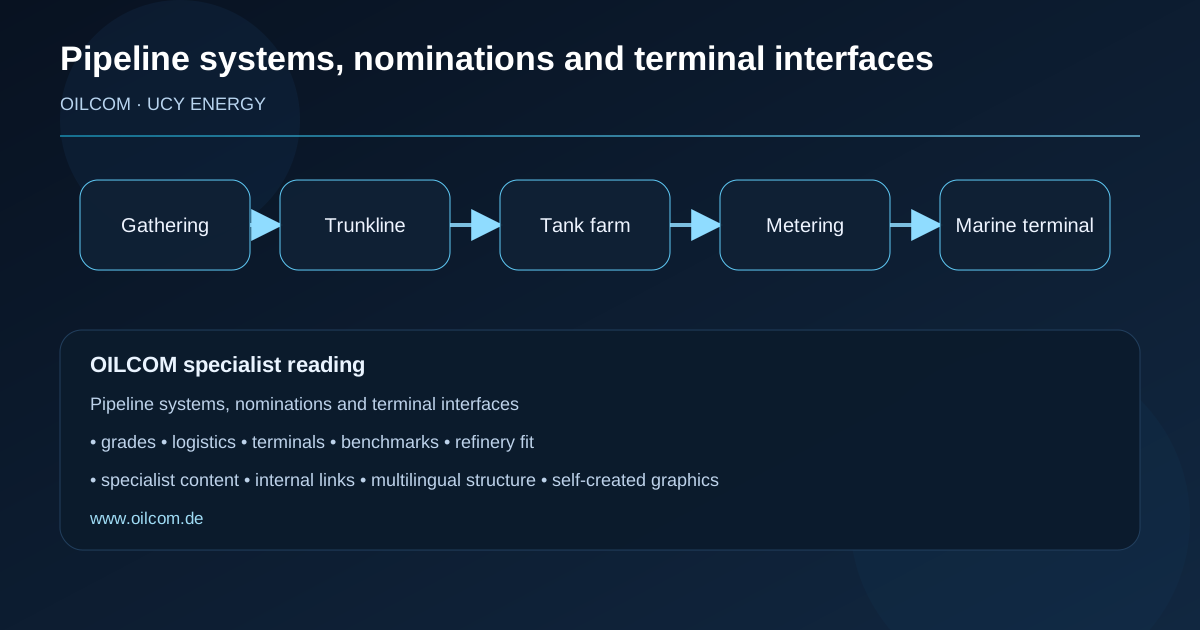
pipeline systems changes availability, blending room, freight exposure, operational risk and price formation across the oil chain.
The page links infrastructure, specification, logistics and trading behaviour so that buyers, sellers, charterers and refiners can read the market as a system instead of isolated headlines.
The self-created graphic highlights the operational sequence and the main decision points that usually matter for procurement, cargo planning, nominations, inventory control and downstream placement.
For SEO and specialist readability, the text is structured around clear entities, commercial terms, related links and repeated references to grades, hubs, routes and refinery fit.
Pipeline systems, nominations and terminal interfaces
Capacity is not just nameplate throughput; maintenance windows, drag reducers, batching discipline and terminal queues change real availability.
Shared systems can flatten field-level differences. Commingling rules determine how much a cargo still behaves like a named grade at discharge.
Storage, metering, heating, sampling and berth sequencing decide whether pipeline barrels can become marine cargo on schedule.
A pipe outage can reprice nearby grades, widen differentials and suddenly re-route crude toward rail, truck, storage or alternative ports.
Large trunk systems influence inland-to-water differentials and export terminal optionality.
Pipeline bypasses and coastal systems matter when chokepoints or scheduling pressure intensify.
Transit exposure, blending interfaces and terminal timing can dominate the commercial reading.
Even seaborne grades depend on inland evacuation, storage discipline and terminal reliability.
These short answers are written for commercial readers who need a fast orientation before they move into grade-specific, route-specific or refinery-specific pages.
Because they control evacuation speed, blending behaviour, terminal access and therefore the effective supply seen by buyers.
Linefill ties up working inventory in the system and affects start-up timing, quality transition and scheduling flexibility.
Field mix, pipeline commingling, seasonal operations and terminal procedures can slightly change how a cargo reads at discharge.
Traders, procurement teams, shipping desks, operations staff and refiners comparing alternative origins or terminal routes.
Use the related reading paths to move from general market structure to named grades, origins, export systems and world-map context.